
For alarm receiving centres
Cut false alarms before they reach an operator.
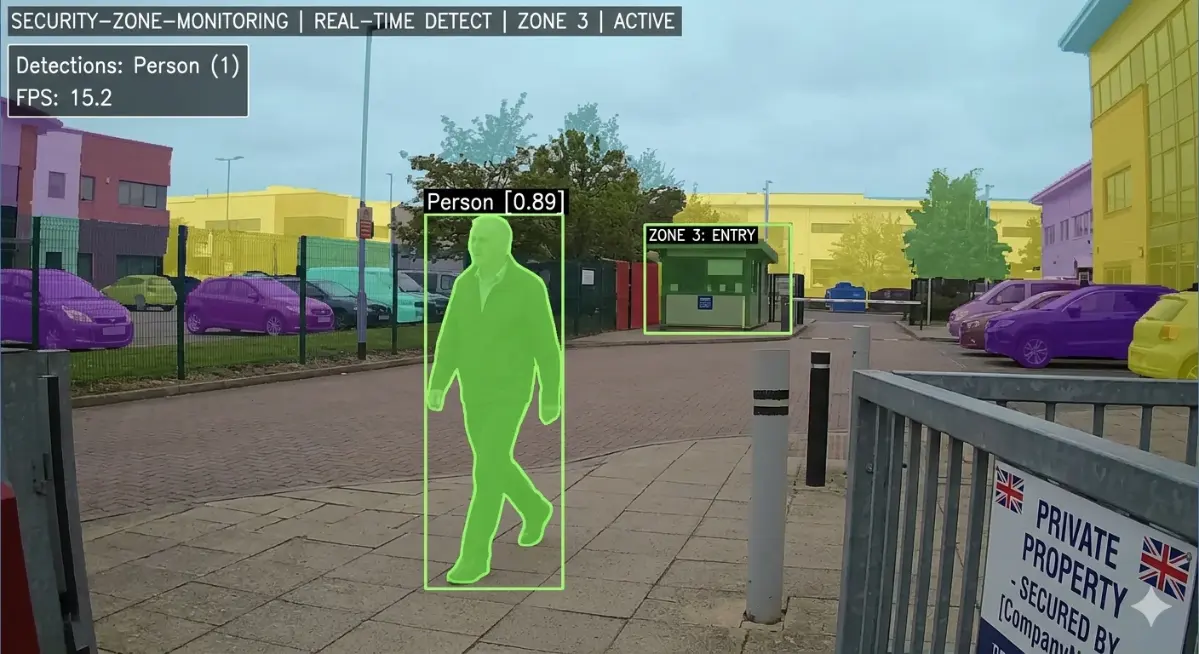
AEY AI reviews every camera trigger against plain-English rules and only escalates what a human needs to see — with the clip, the description, and the reason attached.
Proof
A week of noise, in one chart.
Every camera trigger from one monitored site, seven days straight — and the handful of events an operator actually needed to see.
How it works
How a trigger becomes an alarm.
- 1
A camera fires
Any motion or analytic trigger from the cameras and VMS your customers already run.
- 2
AEY AI reviews it
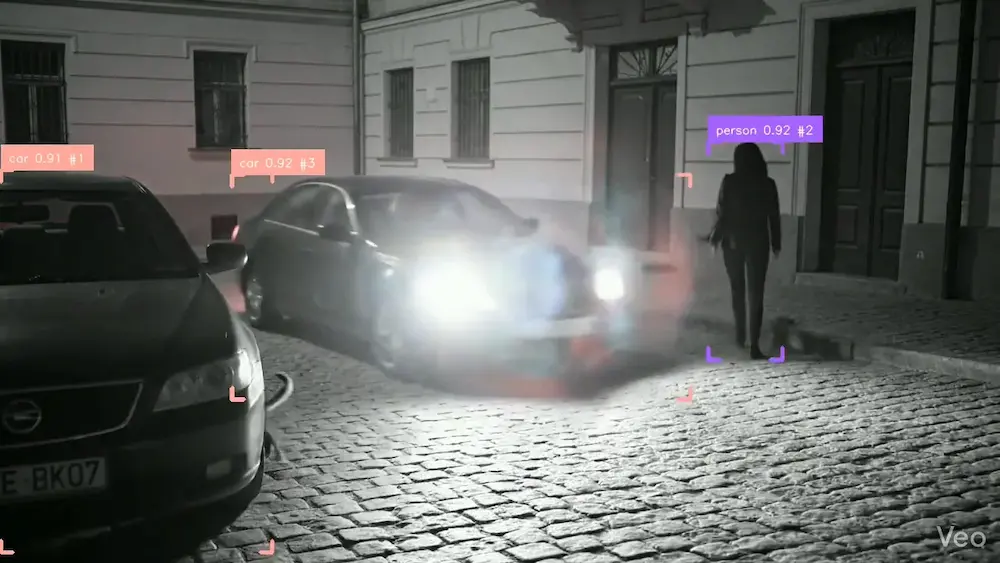
A vision model judges the frame against your rule — “a person on foot; headlights, animals and weather are not intrusions.”
- 3
Operators see signal
Only passing events reach the desk, arriving with evidence and a plain-English account of what was seen.
Why ARCs choose AEY
Cut non-actionable events at the source, so operators only see what needs a response.
Reduce alarm fatigue at scale
Routine motion never reaches the desk. Operators stay sharp for the events that matter.
Improve review-to-dispatch speed
Every alert arrives with the context to act on it — clip, description, and history.
Standardise across customer estates
One monitoring logic across every customer site, however mixed the cameras.
Smart Rules
Reject lighting shifts, weather, and camera shake before they reach operators.
Ignore headlights, shadows, and exposure changes that trigger false motion.
Security intelligence
More signal. Faster response. Fewer false calls.
Guard Route Exclusion
Re-ID your own guards. Patrol movement never reaches the queue.
Weapon Detection
Firearms and blades, in real time, as a priority alert.
Visual Descriptions
A plain-English description of the suspect and vehicle, with the alert.
Plate Recognition
Every plate checked against your watch lists.
Tailgating Detection
Catch follow-through at controlled entrances.
Evidence on Every Event
Auto-trimmed clips and logs show why each event escalated — or was ignored.
Plugs into your monitoring stack.